
 Image 1 of 1
Core Care Requirements
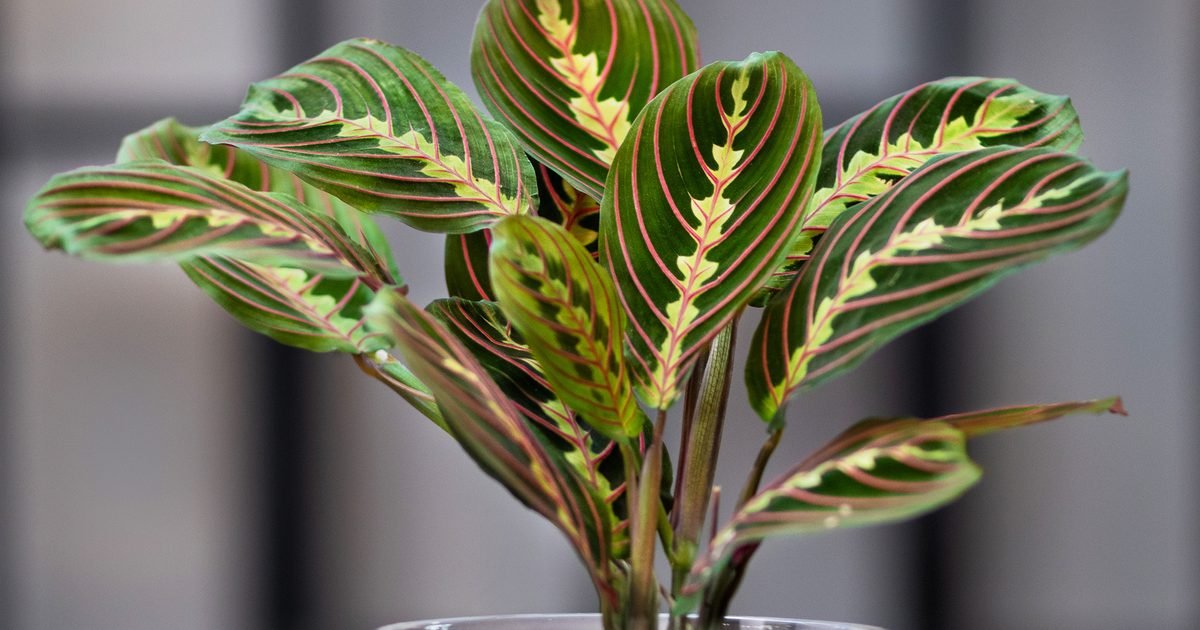
To keep your Red Prayer Plant thriving in 2026, focus on mimicking its native tropical environment:
Light: Requires bright, indirect light. Direct sunlight will scorch and fade the leaves, while too little light causes the colors to dull and the plant to stop "praying".
Water: Maintain consistently moist soil that is never soggy. Water when the top inch of soil feels dry. It is sensitive to tap water; experts recommend filtered, distilled, or rainwater to prevent brown leaf tips caused by minerals like fluoride.
Humidity: Thrives in high humidity (60–80%). Use a humidifier, pebble tray, or group it with other plants to maintain moisture levels.
Temperature: Prefers a warm range of 65–85°F (18–29°C). Keep it away from cold drafts, AC vents, or heaters, as it is sensitive to sudden temperature shifts.
Soil and Fertilization
Soil Mix: Use a well-draining, loamy, and slightly acidic potting mix. A common recommendation is a blend of two parts peat moss, one part loamy soil, and one part perlite.
Fertilizer: Feed with a balanced, water-soluble fertilizer (like a 10-10-10 or 10-15-10) diluted to half-strength every 2–4 weeks during the growing season (spring through early autumn). Stop fertilizing during the winter rest period.
Propagation and Maintenance
Propagation: Easiest via stem cuttings or division. For cuttings, snip just below a node and place in water or moist soil until roots develop (usually 2–4 weeks).
Pruning: Trim leggy stems just above a leaf node to encourage bushier growth.
Common Issues:
Yellow Leaves: Often a sign of overwatering or poor drainage.
Brown Tips: Typically caused by low humidity or sensitive reactions to chemicals in tap water.
Pests: Watch for spider mites, mealybugs, and aphids, which thrive in dry conditions.